
Organ 15x1SPBP | Flat-Sided Shank | Large Eye | Ball Point | Home Embroidery & Sewing Needle | For Stretchy Material | 100/bx
This is a special version of the 15x1 needle is great for stretchy, elastic material and tightly woven knits. It is made to higher standards; with a snake-shaped head that is the result of a combination of a slightly enlarged eye and slightly reduced blade above the eye. The larger eye opens a slightly larger space in the material and the thinner blade above the eye reduces contact with the material to the needle. This reduces needle heat up and reduced skipped stitches.
- Organ 15x1 - Home Embroidery, Sewing & Quilting Needle
- SP - Enlarged Eye & Thinner Blade
- Flat-Sided Shank
- Large Eye
- Ball Point
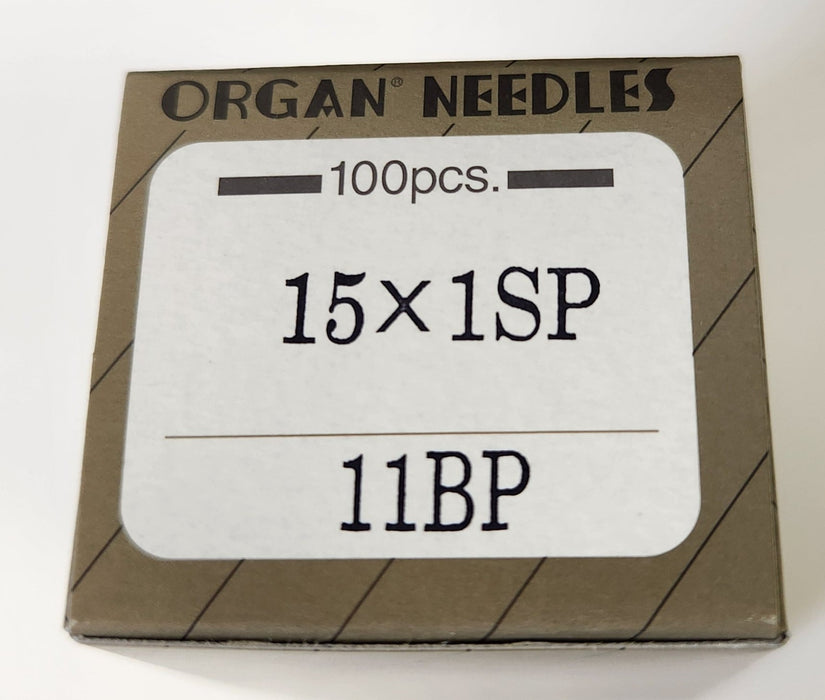
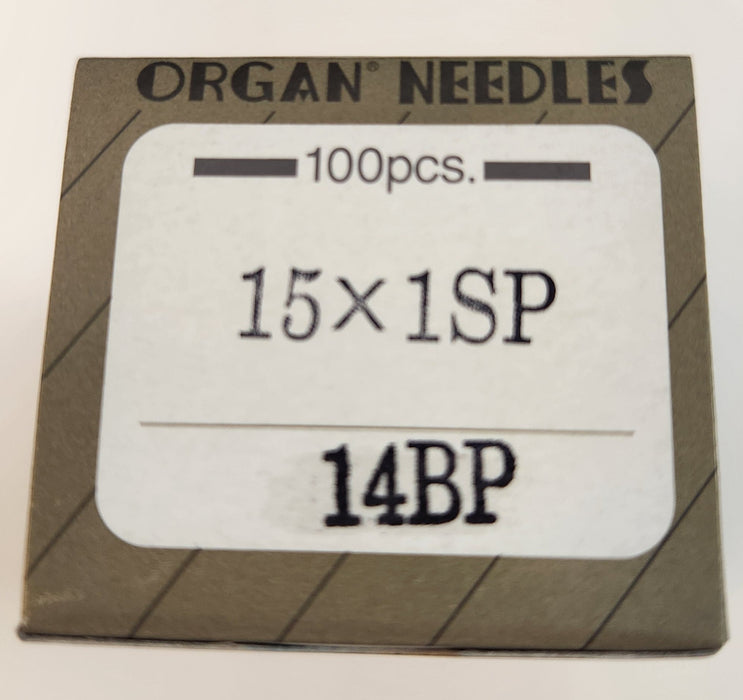
- 100 Needles Per Box
These Organ needles are for home sewing & embroidery machines. They have a flat shank and will work in all home machines such as: Brother, Baby Lock, Husqvarna, Viking, Janome, Bernina, Singer, Pfaff and‚ other single needle sewing and embroidery machines.
Organ Brand Needles for Sergers, Sewing & Embroidery Machines
15x1SP BP - Flat Shank Stretch/Elastic Needle - Sharp/Regular Point.
100 Needles/Box (10 Packages of 10 Needles)
Janome Needle Conversion
In Size 90/14 This Is The Same Needle As‚ Purple Janome Tip
15x1SP HAx1 SP: This is a special version of the 15x1 embroidery needle for stretch or elastic materials and tightly woven knits. It is made to higher standards, it has a snake's head shape due to a combination of a slightly bulged eye and a slightly reduced blade above the eye.
Sharp Point: Sharp point embroidery needles, also referred to as “regular" needles, have sharp pointed tips to help the needle penetrate tightly woven embroidery fabrics, as well as felt. They are also sometimes referred to as crewel needles as they are used for crewel embroidery. Sharp needles shouldn't be used on knits, as they can cut the yarn that creates the interlocking structure of the knit‚ causing it to gradually unravel during laundering.